Business update

Fresh stories, announcements and offers about Dentist, Endodontist, Oral surgeon, straight from our business.
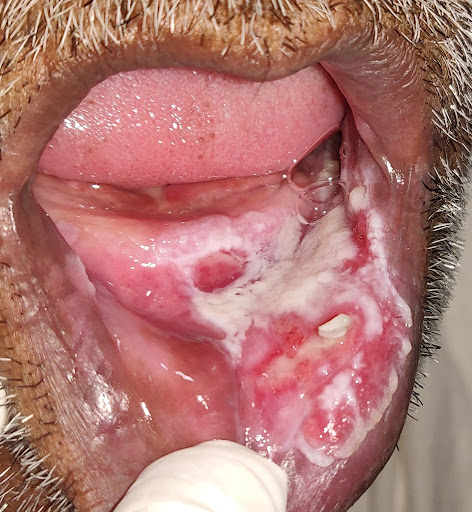
1. **Oral Cancer Risk:** The combination of tobacco and areca nut in gutkha significantly increases the risk of oral cancer, affecting the mouth, tongue, and throat. 2. **Oral Lesions:** Regular use can lead to the development of white or red patches, ulcers, and lesions in the mouth, contributing to chronic inflammation. 3. **Periodontal Disease:** Gutkha use is associated with an increased risk of periodontal (gum) disease, leading to issues such as gum recession, tooth mobility, and tooth loss. 4. **Stained Teeth:** The chemicals in gutkha can cause severe tooth discoloration, leading to unsightly stains that are challenging to remove. 5. **Bad Breath:** Chewing gutkha can result in persistent bad breath, causing social and personal discomfort. 6. **Nicotine Addiction:** Gutkha often contains nicotine, leading to addiction and withdrawal symptoms when trying to quit. 7. **Systemic Health Risks:** Beyond oral health, gutkha use is linked to various systemic health issues, including cardiovascular problems and an increased risk of diabetes. 8. **Affects Digestive System:** Gutkha can have adverse effects on the digestive system, contributing to issues such as indigestion and constipation. It's essential to raise awareness about the harmful consequences of gutkha consumption and encourage individuals to quit for the sake of their health.
2. **Flossing:** Regularly floss between teeth to remove plaque and food particles. 3. **Rinse:** Use an antimicrobial or fluoride mouthwash to help maintain oral hygiene. 4. **Diet:** Limit sugary and acidic foods and beverages to prevent enamel erosion. 5. **Avoid Smoking:** If you smoke, try to quit, as smoking can negatively affect oral health. 6. **Regular Check-ups:** Schedule regular dental check-ups to monitor your oral health and catch any issues early. 7. **Hydration:** Drink water to help flush away food particles and maintain saliva production. 8. **Oral Habits:** Avoid habits like teeth grinding or using teeth as tools, which can damage teeth. 9. **Wear Mouthguard:** If you play sports or grind your teeth at night, consider using a mouthguard. 10. **Sensitive Teeth:** If you experience increased sensitivity, use a toothpaste for sensitive teeth. Remember, proper oral care after scaling and polishing will help maintain the benefits of the procedure and keep your teeth and gums healthy.
Red, swollen gums Bleeding gums, especially when brushing or flossing Tender gums Bad breath If gingivitis is not treated, it can progress to periodontitis, a more serious form of gum disease that can lead to tooth loss. The treatment modalities for gingivitis include: Good oral hygiene: The most important thing you can do to prevent and treat gingivitis is to brush and floss your teeth twice a day. Use a soft-bristled toothbrush and fluoride toothpaste, and floss using a technique that is comfortable for you. Scaling and root planing: This is a procedure performed by a dentist or dental hygienist to remove plaque and tartar from the teeth and below the gum line. Antibiotics: In some cases, your dentist may prescribe antibiotics to help reduce the bacteria in your mouth. Other treatments: There are a number of other treatments that may be used to treat gingivitis, such as laser therapy, ozone therapy, and photodynamic therapy. If you are experiencing any of the symptoms of gingivitis, it is important to see your dentist or dental hygienist as soon as possible. Early treatment can help prevent the progression of gingivitis to periodontitis and tooth loss.